






What is hybrid television?
Hybrid television is one of the most innovative solutions changing the way we use television. By combining traditional broadcast TV reception with internet capabilities, it is becoming the new standard, enabling viewer interaction on a completely new level. But what exactly is hybrid television and why is it worth paying attention to?
How does hybrid TV work?
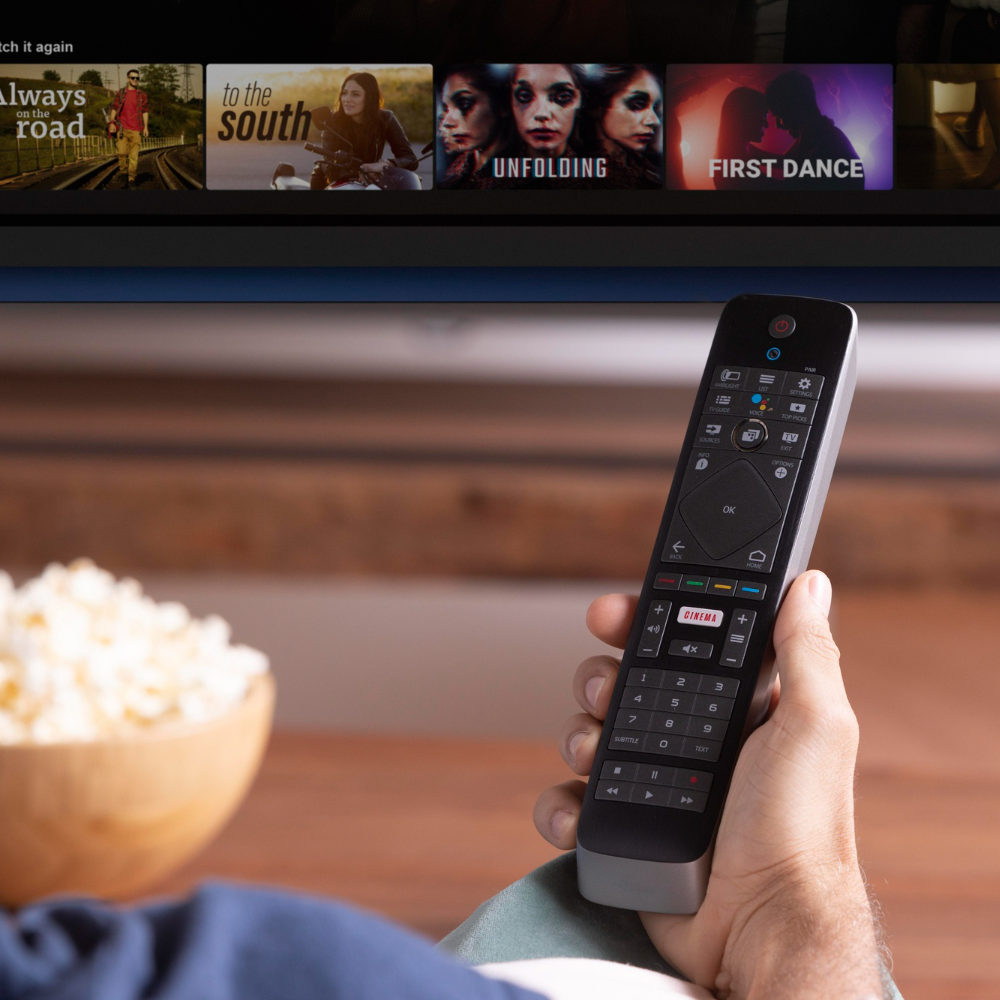
Hybrid television combines terrestrial, cable or satellite TV signal with internet access. Thanks to this, the user can not only watch traditional channels, but also use additional services such as:
- VOD (Video On Demand) – the ability to watch movies and TV series on demand.
- Catch-up TV – an option that lets you watch programs that were broadcast earlier.
- Access to apps – such as the weather forecast, news, or social media.
The most important feature of hybrid TV is interactivity, which gives the viewer greater control over what they watch and when they watch it.
HbbTV standard – the heart of hybrid TV
The operation of hybrid television is based on the standard HbbTV (Hybrid Broadcast Broadband TV). This is an open standard that enables the integration of a TV signal with online content. Thanks to this, hardware manufacturers and content providers can offer new services without the need for additional devices. HbbTV is supported by most modern Smart TVs and some set‑top boxes, which makes hybrid TV available to a wide audience.
Advantages of hybrid TV
Hybrid television brings many benefits for both viewers and broadcasters. Below we present the most important ones:
- More content choices – In addition to traditional TV channels, the viewer has access to libraries of movies, series, on‑demand programs, as well as web apps.
- Personalization – With internet access, users can receive personalized recommendations based on their preferences.
- Interactivity – Hybrid TV enables direct interaction with the programme, e.g. by taking part in votes, quizzes or competitions.
- Time‑saving – The ability to watch programs when we want, not when they are broadcast in the traditional schedule.
- Ease of use – Most modern TVs support HbbTV, so you don’t need to buy additional devices. All you need is an internet connection.
Hybrid television in Poland
In Poland hybrid television is starting to gain more and more popularity. An increasing number of broadcasters are offering services in the HbbTV, and most new TVs are already equipped with this technology. A good example is the TVP channels, which offer viewers access to additional materials via HbbTV, such as extra information about the program, voting options or extended versions of shows.
Do I need any special equipment?
To use hybrid television, you need:
- TV supporting HbbTV – Most new Smart TV models support this standard. It’s worth checking your device’s specifications.
- Internet access – A wired or Wi‑Fi internet connection is essential to use additional online services.
- Traditional TV signal – Hybrid TV does not replace traditional television. You still need a signal from an antenna, cable TV, or satellite.
Hybrid TV vs. Smart TV – what’s the difference?
Many users confuse hybrid TV with technology Smart TV, however there are some important differences between them. Smart TV is a general term for TVs with internet access that allow you to install apps and use various online services. Hybrid TV, on the other hand, integrates online content directly with the TV programme. This means that while watching traditional TV we can receive interactive information, offers or additional content related to the broadcast programme.
The future of hybrid TV
Hybrid television is not only the current trend, but also the future of television. As more and more people use the internet and TV, solutions such as HbbTV will become the standard. The ability to interact with viewers, personalised content and flexibility in accessing programmes are the features that will drive the development of this segment.
In the future, we can expect even more advanced features, such as integration with VR or AI technologies, which will enable even more interactive and personalized TV experiences. For broadcasters, this also means new marketing opportunities that will allow them to reach their audiences even more effectively.
Podsumowanie
Hybrid TV is the future of the television industry, combining traditional broadcasting with modern internet-based solutions. Thanks to the HbbTV users gain access to additional content, interactions and personalization, making watching TV a more engaging and flexible experience. Year by year, more and more broadcasters and hardware manufacturers support this technology, which makes hybrid TV increasingly accessible to a wide audience.
It’s definitely worth investing in a TV that supports this standard and enjoying the new possibilities offered by hybrid television.



Leave a comment
This site is protected by hCaptcha and the hCaptcha Privacy Policy and Terms of Service apply.