



TV technology is constantly evolving, and one of the most important steps in recent years has been the transition to the DVB-T2 broadcasting standard. This newer standard for digital terrestrial television brings many benefits, including better picture and sound quality, as well as more channels on a single frequency. DVB-T2 is a response to the growing needs of users and the development of technologies such as 5G networks. In this article, we’ll take a detailed look at what this change means, how it affects viewers in Poland and Europe, and how to check whether our TV is compatible with the new signal.
What is DVB‑T2 and why is it so important?
The DVB-T2 standard is the second generation of terrestrial digital television, which replaces the older DVB-T. It is an evolution that allows broadcasters to increase the efficiency of frequency band usage while offering viewers higher transmission quality. These changes are particularly important in the context of the dynamic development of other technologies such as 5G, which also use the available spectrum resources.
Key DVB‑T2 features:
Higher bandwidth – standard DVB-T2 allows more TV channels to be transmitted within the same bandwidth as DVB‑T.Better picture and sound quality – thanks to modern compression technologies such as HEVC (High Efficiency Video Coding), viewers can enjoy a picture in a resolution of HD i Ultra HD and higher-quality sound.
Bandwidth savings – standard DVB-T2 allows for better use of the available frequencies, which is crucial in an era of a growing number of devices using wireless networks.
Switching to DVB-T2 in Poland – When and why?
In Poland, the process of switching the broadcast signal to DVB‑T2 began in 2022, with the goal of providing better quality terrestrial TV and freeing up spectrum for other services such as 5G data transmission. The transition to the new standard took place in several stages covering different parts of the country.
How did the signal changeover process go?
March 2022 – The first stage covering larger urban agglomerations such as Warsaw, Poznań, Kraków.
May 2022 – Second stage, covering the rest of the country, including rural areas.
June 2022 – End of the process; from this point on, the signal is broadcast exclusively in the DVB-T2 standard.
December 2023 – TVP channels switched to the DVB‑T2/HEVC standard to free up the 700 MHz band for the development of 5G technology. The process was completed in January 2024, with parallel broadcasting on selected multiplexes.
The switch to DVB-T2 is necessary due to growing viewer demands for picture and sound quality, as well as the increased number of TV channels available in terrestrial digital television. In addition, this technology makes it possible to further develop TV services, such as live broadcasts in 4K quality.
DVB‑T2 in Europe – How is the rollout progressing in other countries?
The switch to DVB‑T2 broadcasting is not limited to Poland. Many European countries have already completed this process, while others are only planning full implementation of the new standard. Examples of countries that have already moved to DVB‑T2 include:
Germany – The transition to DVB-T2 was completed in 2017.
United Kingdom – This country completed the rollout of DVB-T2 in 2019, which made it possible to broadcast HD channels on a wide scale.
France – Full implementation of the DVB-T2 standard took place in 2020.
Italy – The transition to the new standard was completed in 2021, and viewers can now enjoy better picture and sound quality.
Countries planning to roll out DVB‑T2 in 2024–2025:
Romania: Planned rollout in 2024.
Bulgaria: The new standard will be introduced in 2025.
Greece: Full rollout is planned for 2024.
Portugal: This country plans to switch to DVB-T2 by the end of 2025.
How to check if your TV receives DVB-T2 signal?
Before you can use the new signal, you need to make sure your TV supports DVB‑T2. If your equipment is not compatible with this standard, you may not receive some channels. Here are a few ways to check:
TV specifications – If you bought your TV after 2017, it most likely supports DVB-T2. Check the specifications in the user manual or on the manufacturer’s website.Channel search test – You can run a channel search to see whether the TV is receiving a signal DVB-T2.
Markings on the set‑top box – If you’re using a set-top box, check whether it supports the standard DVB-T2 and HEVC codec.
What if the TV doesn’t receive a DVB‑T2 signal?
If your TV doesn’t support DVB-T2 reception, you don’t have to rush out and buy a new one. There are several simple and affordable ways to adapt your current TV to the new broadcasting standard. The first step is to check whether your TV is compatible with DVB-T2. Many modern TVs manufactured after 2017 have a built-in DVB-T2 tuner, which lets you receive the signal without any extra equipment. However, if your TV is older and doesn’t support this standard, here’s what you can do:
Buying a DVB‑T2 set‑top box
The easiest solution for older TVs without a DVB-T2 tuner is to buy an external DVB-T2 HEVC set-top box. These boxes are connected to the TV using an HDMI or SCART cable, depending on the available ports. The cost of such a device is relatively low, and installation is very simple – just connect the box to the TV and TV antenna and run an automatic channel search. DVB-T2 set-top boxes are available in various versions, also offering additional features such as program recording (PVR) or multimedia playback from external storage devices.
Antenna update
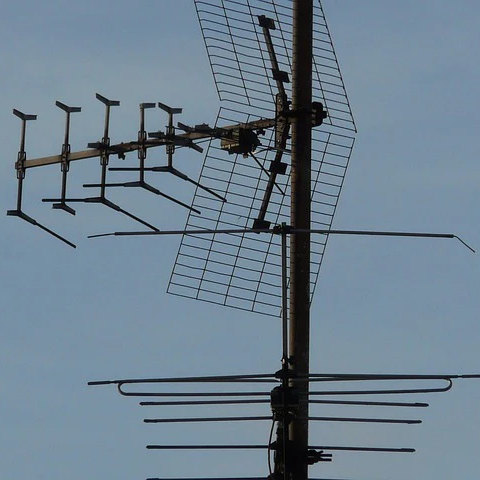
The second important aspect is the right antenna. Older antennas, especially indoor ones, may not provide sufficient signal quality to receive channels in the new DVB‑T2 standard. To get the best picture and sound quality, it’s worth investing in a modern DVB‑T2 antenna that is designed to receive higher‑throughput signals. These antennas offer better performance, which is particularly useful in areas with weaker signal coverage.
Podsumowanie
The transition to the DVB-T2 signal is an important change that provides viewers with access to better picture and sound quality and a larger number of channels in terrestrial TV. To take full advantage of the new standard, you should make sure that your TV or set-top box supports DVB-T2 and the HEVC codec. If the TV is not compatible, it is worth considering the purchase of a suitable set-top box that meets all technical requirements. One such solution is the range of set-top boxes from DekoTV in the PRO, PRO 2 and Mini series.

1 comment
Leave a comment
This site is protected by hCaptcha and the hCaptcha Privacy Policy and Terms of Service apply.